Home Services Tree Risk Assessment

Tree Risk Assessment in Carpinteria, CA

Tree Risk Assessment is a careful inspection that measures the likelihood a tree could fail, and it’s something plenty of Carpinteria homeowners lean on before storm season or a big landscaping change. Older properties near the foothills and coastal lots with wind-exposed canopies often benefit most, since decay pockets and root plate movement aren’t always easy to spot from the ground. Our team checks structural defects, lean angle, and load distribution using proven visual tree assessment methods. Booking is open through 2026. Carpinteria Tree Service Elite handles each evaluation with trained eyes and a steady, safety-minded approach.

Schedule an Assessment 805-420-7071

Request A Service

Service Overview

What Our Tree Risk Assessment Service Includes

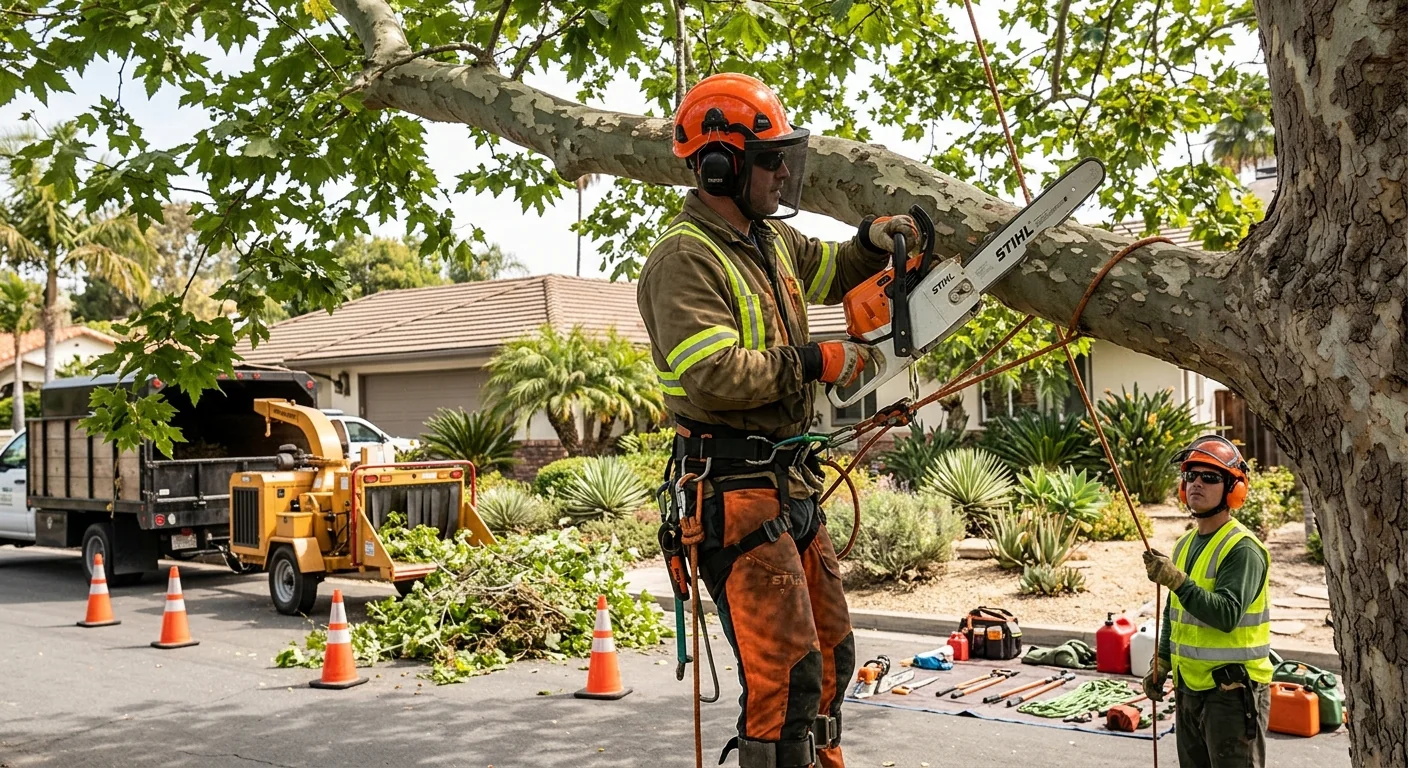
Tree Risk Assessment is the process of evaluating a tree’s structural condition and failure potential, and at Carpinteria Tree Service Elite it includes canopy inspection, root collar checks, and defect mapping across Carpinteria properties. Our trained technicians walk the site, note lean angles and codominant stems, and look for signs like cavities, cracks, or fungal growth that hint at internal decay. Where deeper concerns show up, we use tools such as sounding mallets and resistance testing to gauge wood integrity before making any recommendation. We document findings in a written report so homeowners, HOAs, and commercial managers can plan next steps with confidence. Residential yards, multi-unit complexes, and commercial lots each get the same measured attention. Heading into 2026, we’re pairing seasonal wind and soil-saturation factors into every review. The goal stays simple: reduce hazards and protect the people and property nearby.

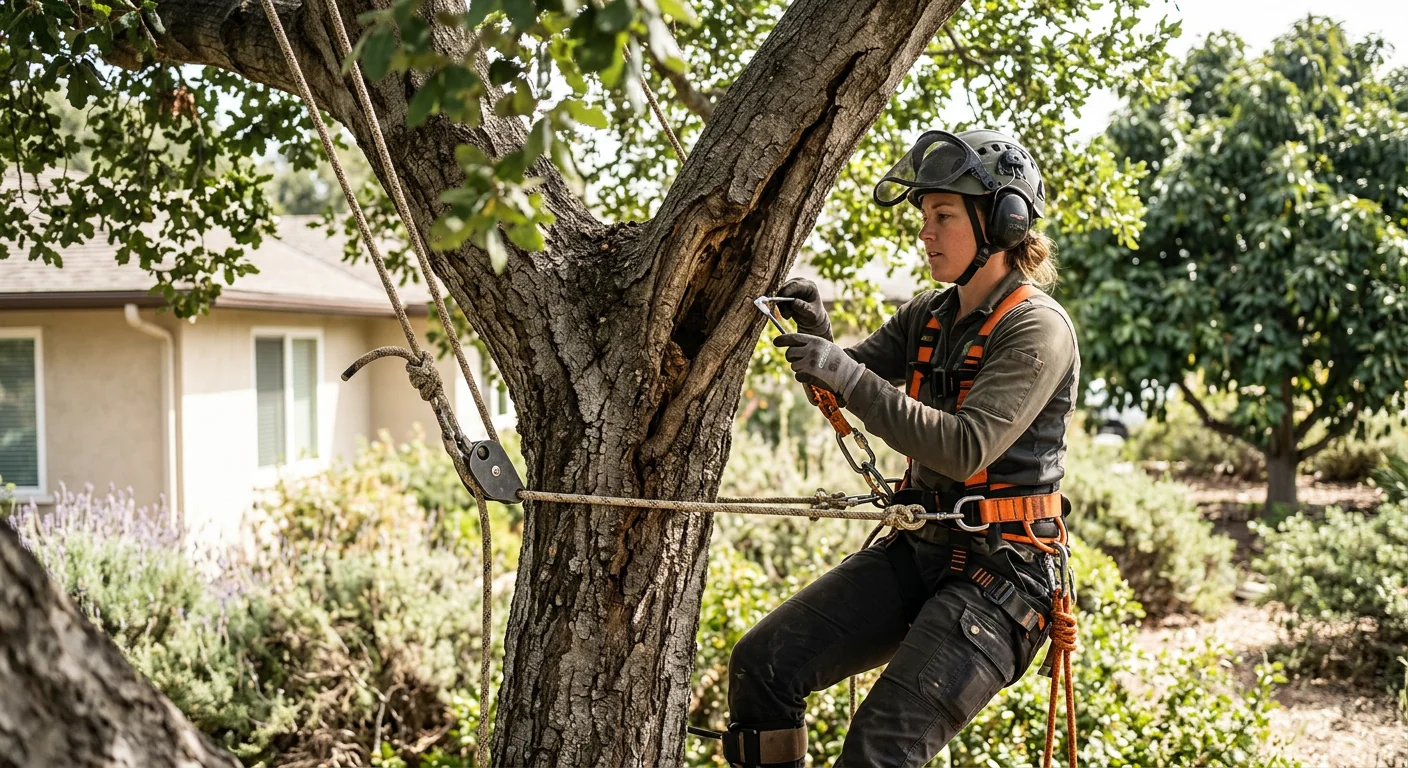
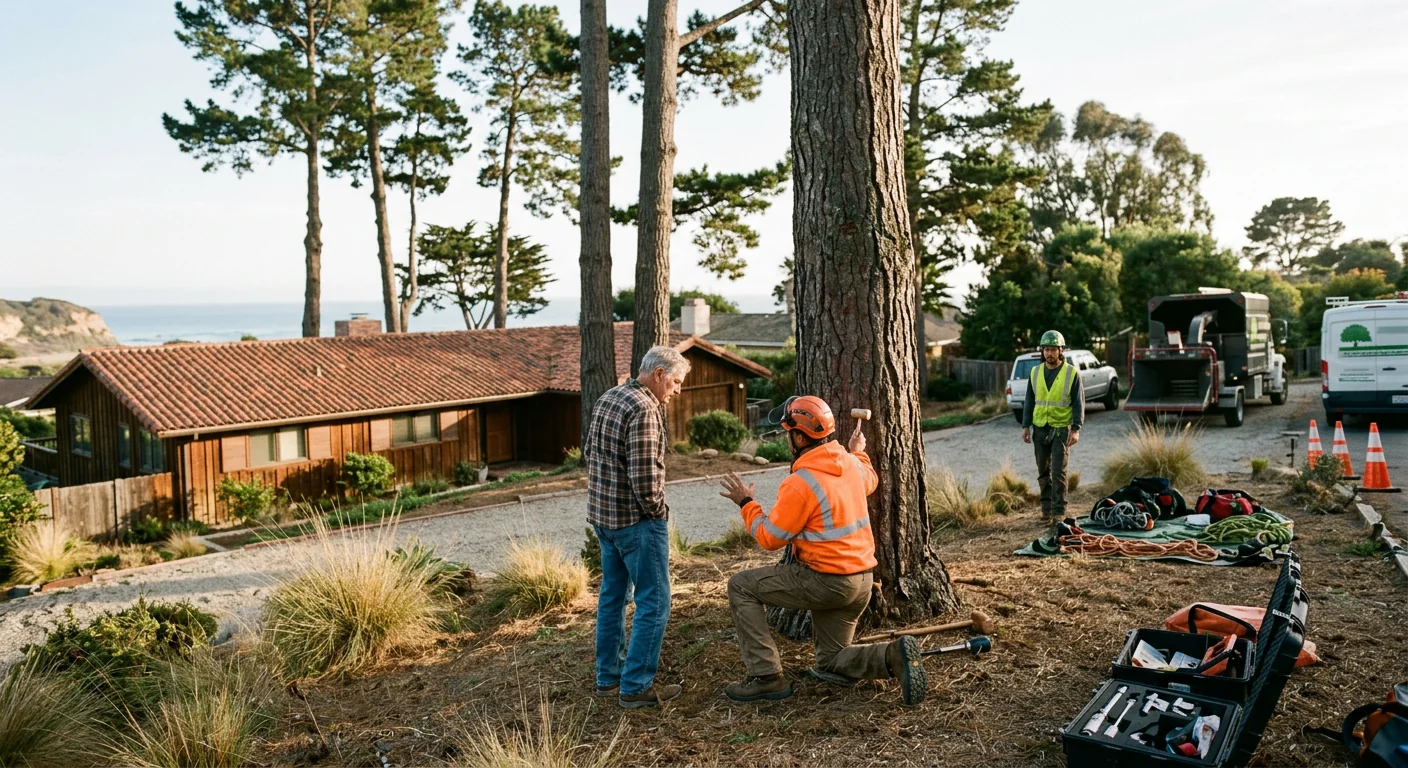
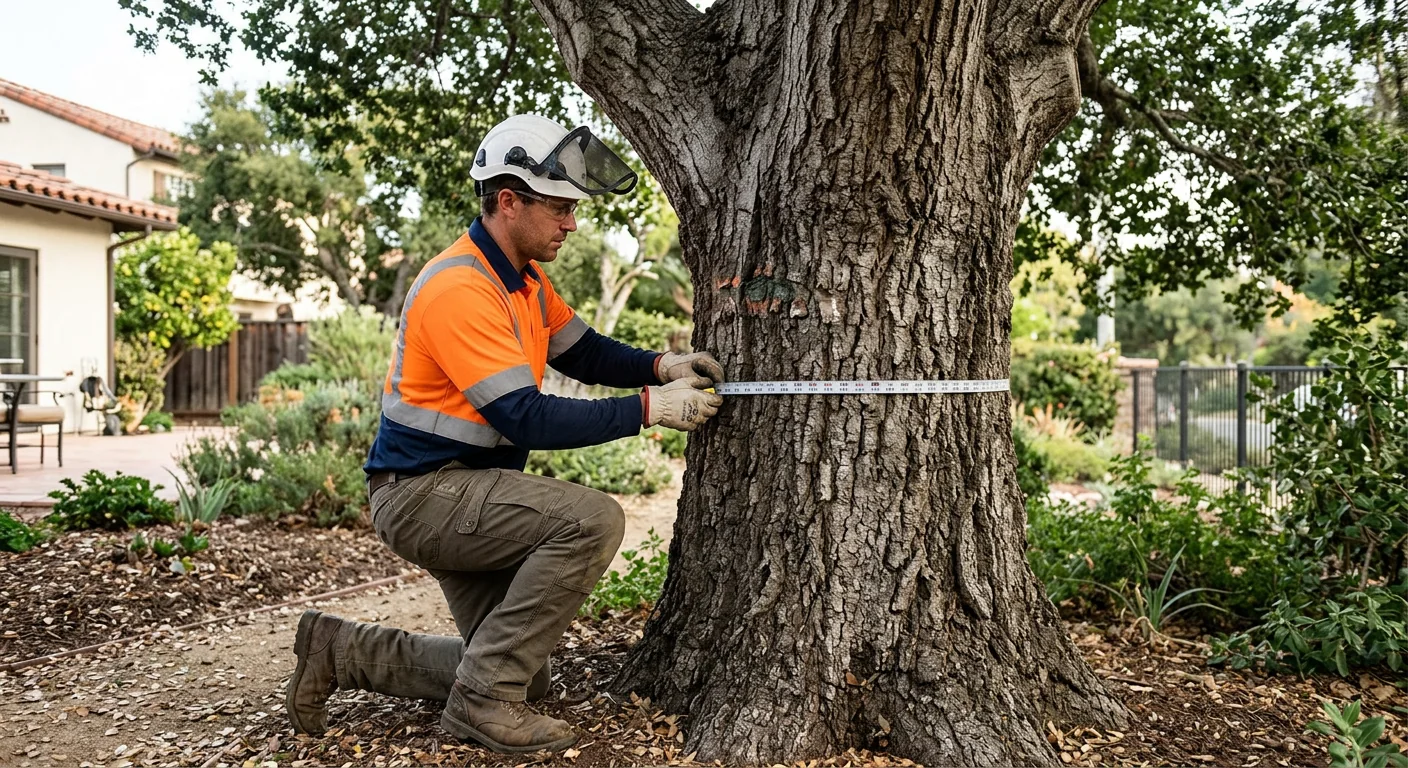
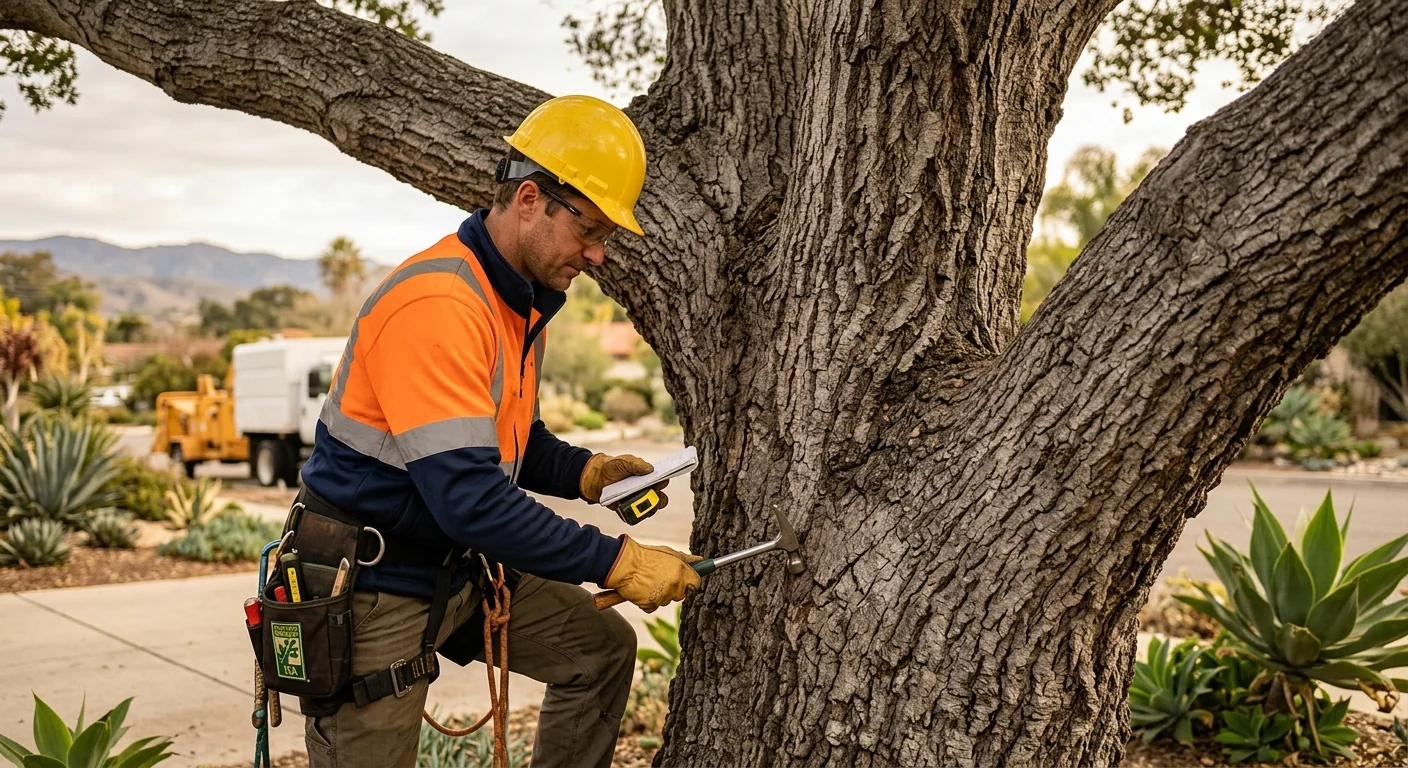
Arborist inspecting a mature tree trunk for decay in a Carpinteria yard
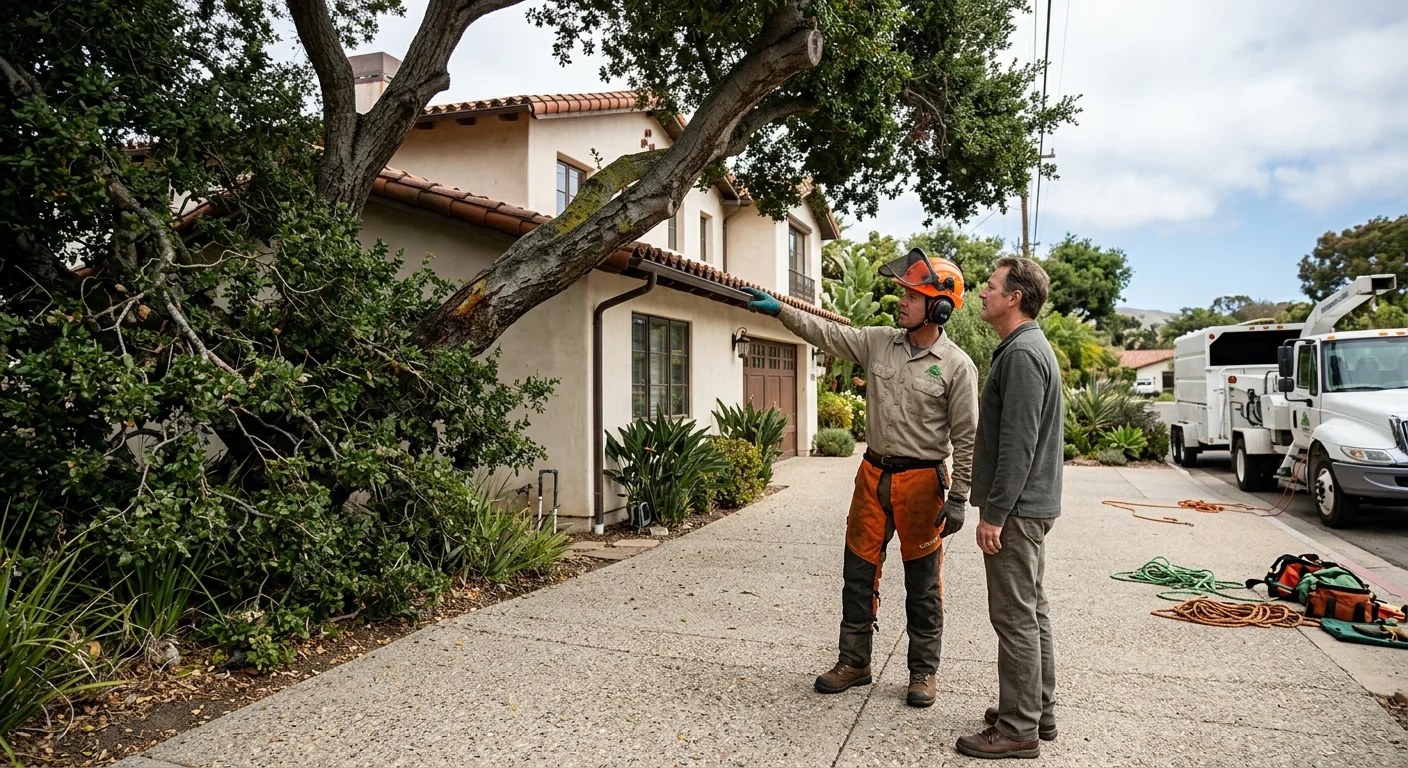
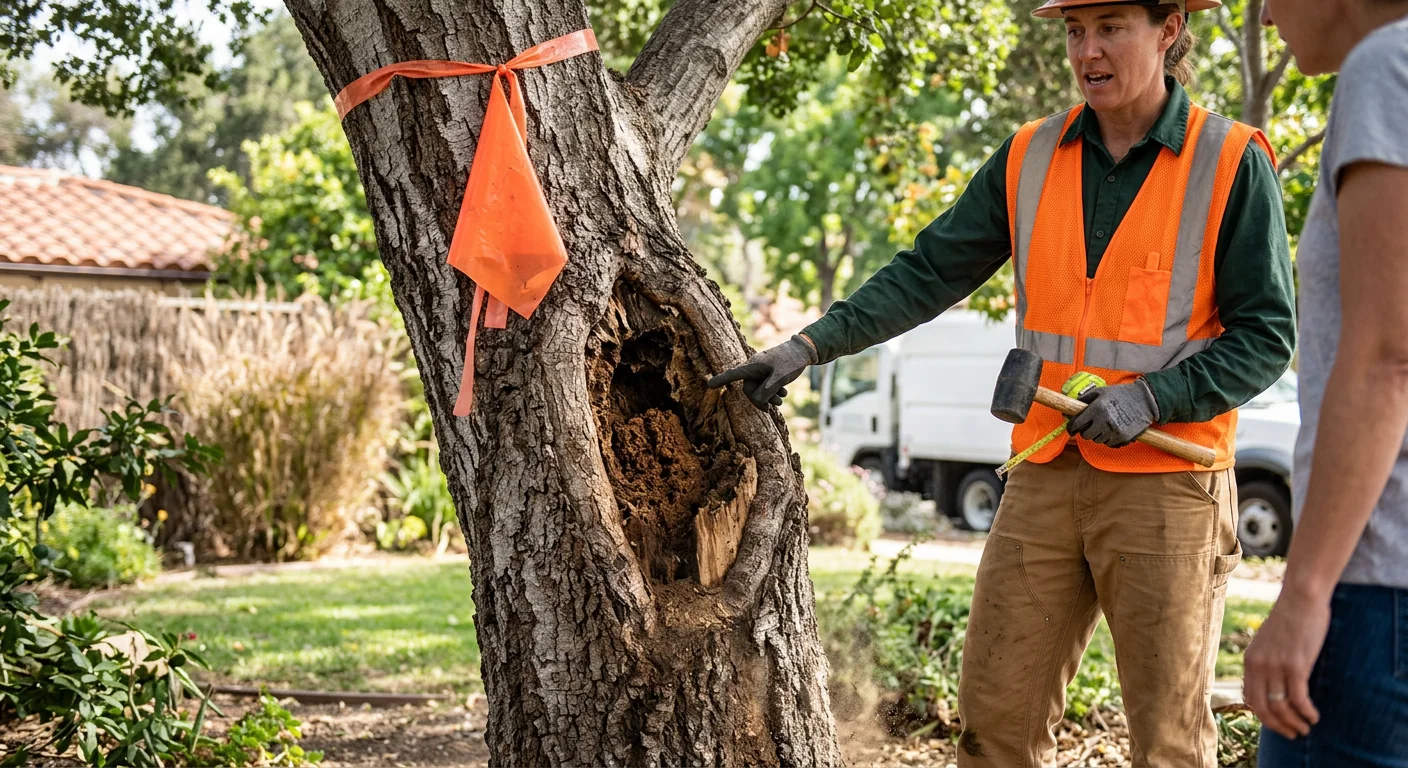
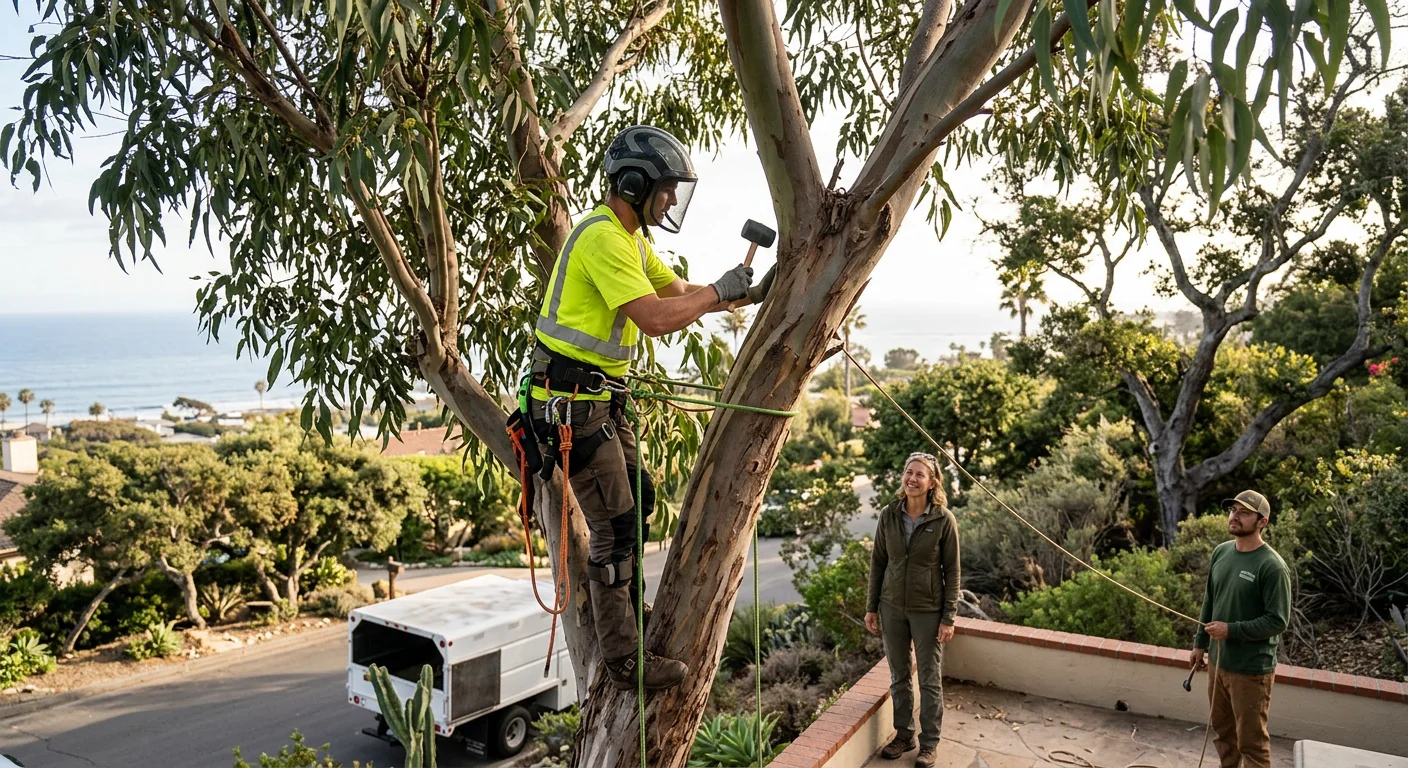
Leaning tree with cracked bark flagged during a risk inspection in Carpinteria
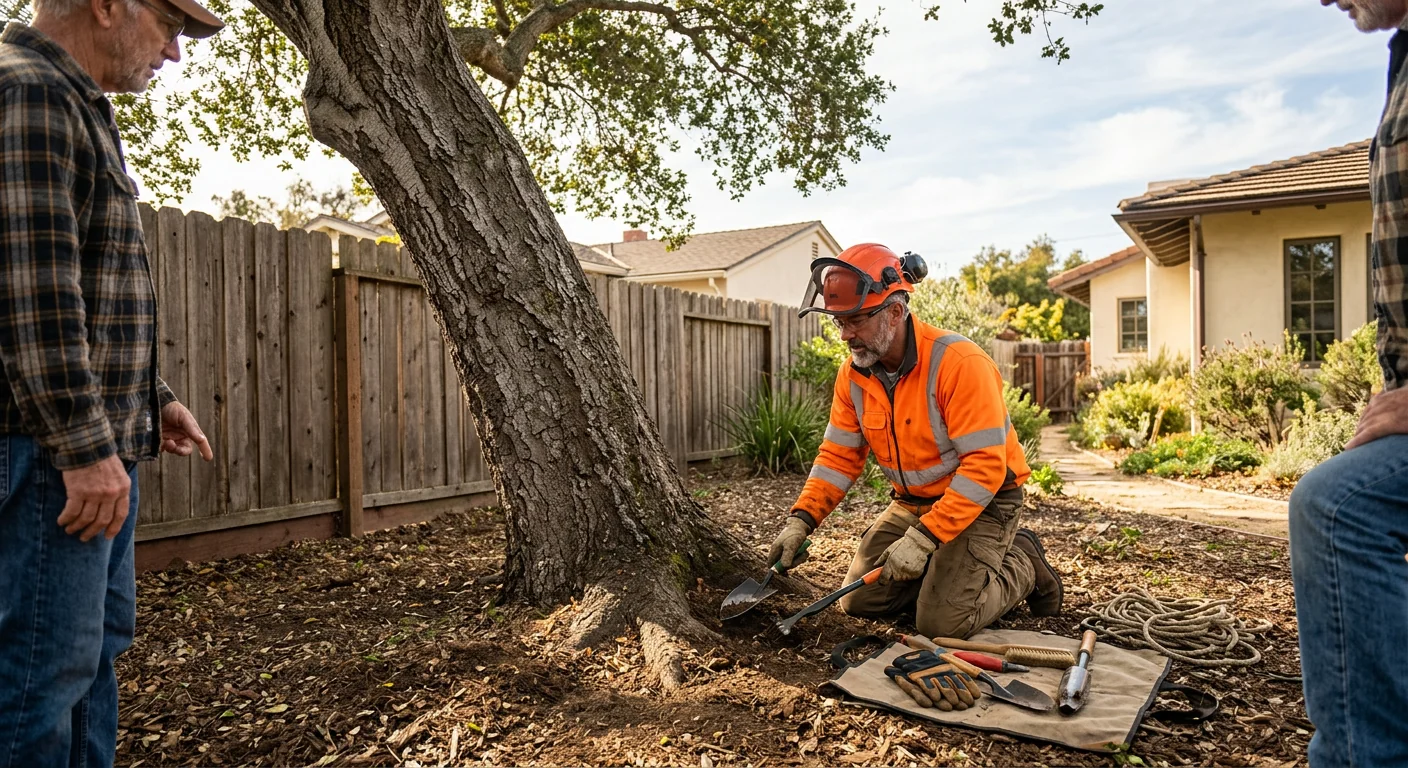
Technician checking root collar and soil heave for structural concerns

Signs You Need This Service

What Signs Mean Your Property Needs Tree Risk Assessment?

Your property likely needs a Tree Risk Assessment when you notice leaning trunks, sudden limb drop, cracked bark, or mushrooms sprouting near the base, since these often point to root decay or internal structural failure. Around Carpinteria, coastal winds and wet winter soil can loosen root plates, leaving mature canopies more prone to whole-tree failure than many homeowners expect. Watch for codominant stems with included bark, dead branches hanging in the crown, and heaving soil that lifts on one side. Some warning signs stay hidden. Cavities, hollow trunks, and fungal conks can develop long before a tree looks unhealthy from the driveway.

Heading into 2026, drought stress paired with heavier seasonal storms has made early detection more valuable for Carpinteria neighborhoods with older, tall specimens. A professional evaluation identifies these hazards, sorts real risk from cosmetic concerns, and gives you a documented plan before a problem turns into property damage.

Book a Risk Assessment 805-420-7071

What Affects Tree Risk Assessment Pricing in Carpinteria?

Tree Risk Assessment pricing in Carpinteria depends primarily on tree size, the number of trees inspected, site accessibility, and the level of documentation you need, with most 2026 evaluations falling within typical local ranges. A single mature oak near a driveway is quick to review. A property with several tall specimens, canopy defects, or coastal exposure takes longer and adds to the total. Several details shape the final number for each visit. Trunk diameter, root collar condition, and any signs of decay or lean all factor into the inspection time our trained technicians spend on your property. Homes on Carpinteria’s sloped lots or near heavy salt air often need closer structural review, since wind load and soil movement change how we read potential hazards. Detailed written reports, whether for insurance, permits, or a real estate sale, may also adjust the scope. Because every yard reads differently, exact pricing always follows an on-site assessment where we walk the property with you and note real conditions. We provide free written estimates before any work begins, so you know the cost up front with no surprises.

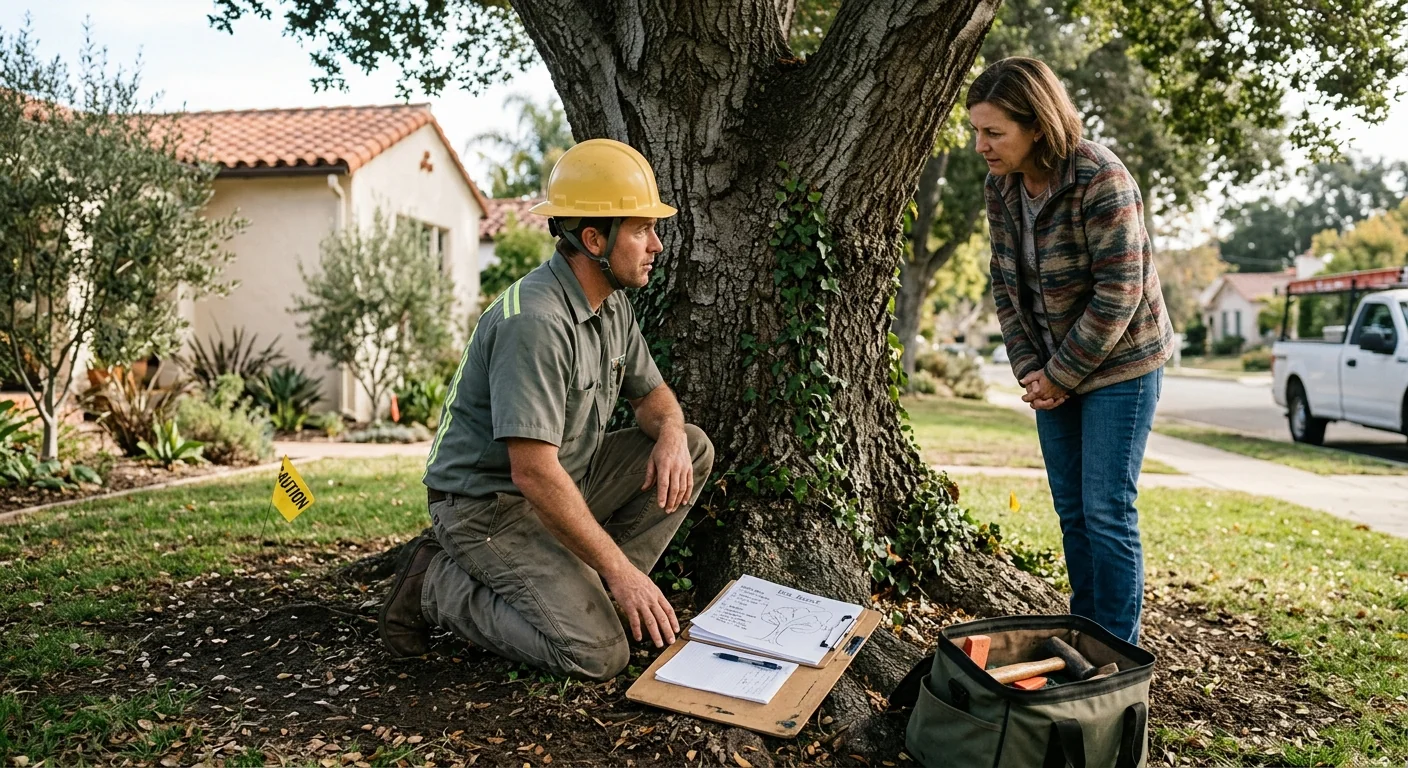
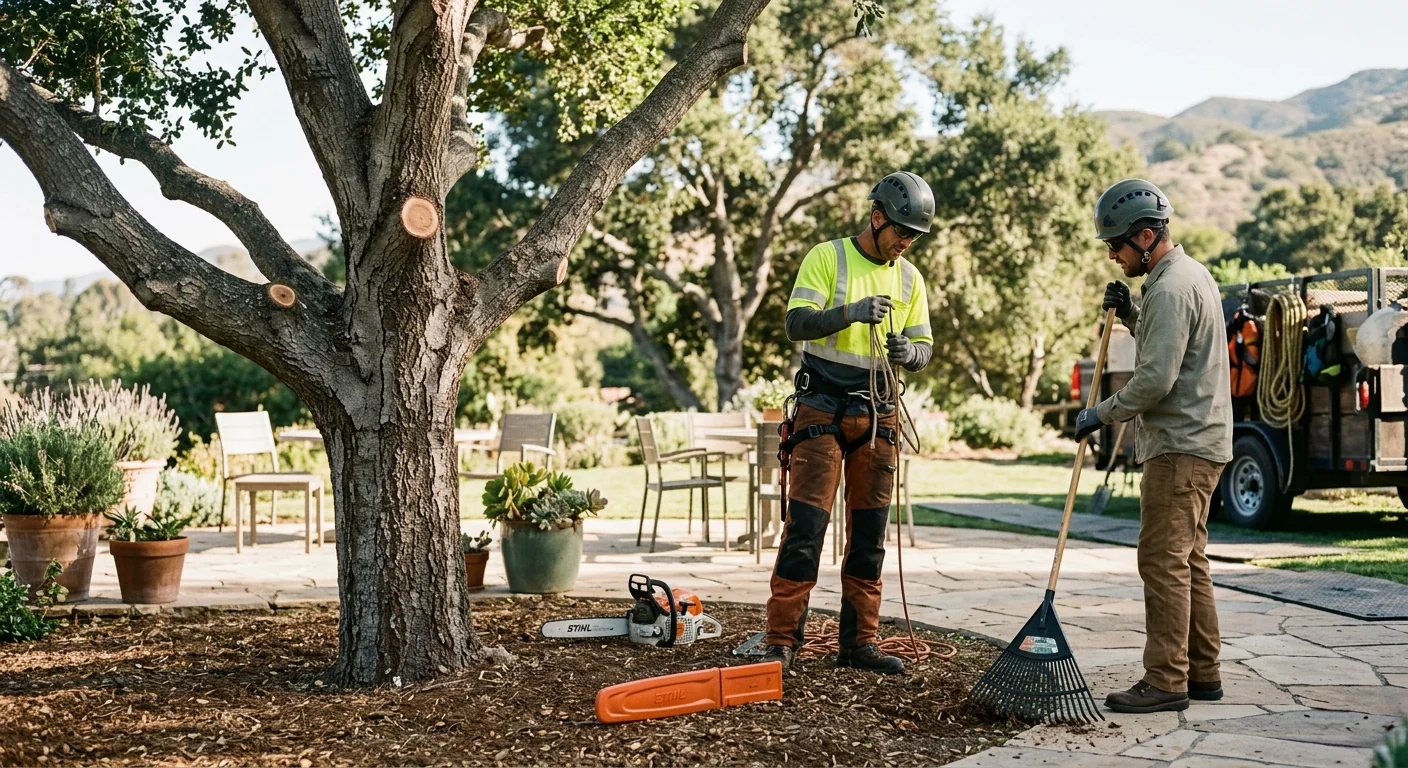
Arborist inspecting a mature backyard tree during a Carpinteria risk assessment visit

Tree Risk Assessment Process

How Does Our Tree Risk Assessment Process Work in Carpinteria?

Schedule an Assessment 805-420-7071
1

Initial Property Walk

We start by walking the property with you, listening to your concerns, and noting each tree’s location, species, and proximity to homes, fences, and power lines. This first pass helps our technicians spot obvious lean, deadwood, or storm-loosened limbs before closer study.

2

Visual Structural Inspection

Next, we examine trunk, root collar, and canopy for signs of decay, cavities, cracks, or fungal growth. Careful inspection at this stage identifies structural weaknesses that everyday glances miss, especially on older Carpinteria trees exposed to coastal wind and salt air.

3

Hazard and Target Analysis

We then weigh each defect against what sits below it, such as a patio, driveway, or play area. Rating likelihood of failure alongside potential impact keeps the assessment grounded in real risk rather than guesswork.

4

Written Findings and Recommendations

After the inspection, you receive a clear written report outlining our findings, priority levels, and suggested next steps like pruning, cabling, or removal. Everything is explained in plain language so you can make informed decisions.

5

Follow-Up and Support

Finally, we review the report with you and answer questions before any additional work is scheduled. If maintenance is needed, we plan it around safe operating procedures and your timeline.

- Recent Tree Risk Assessment Jobs -

Tree Risk Assessment Work Completed in Carpinteria in 2026

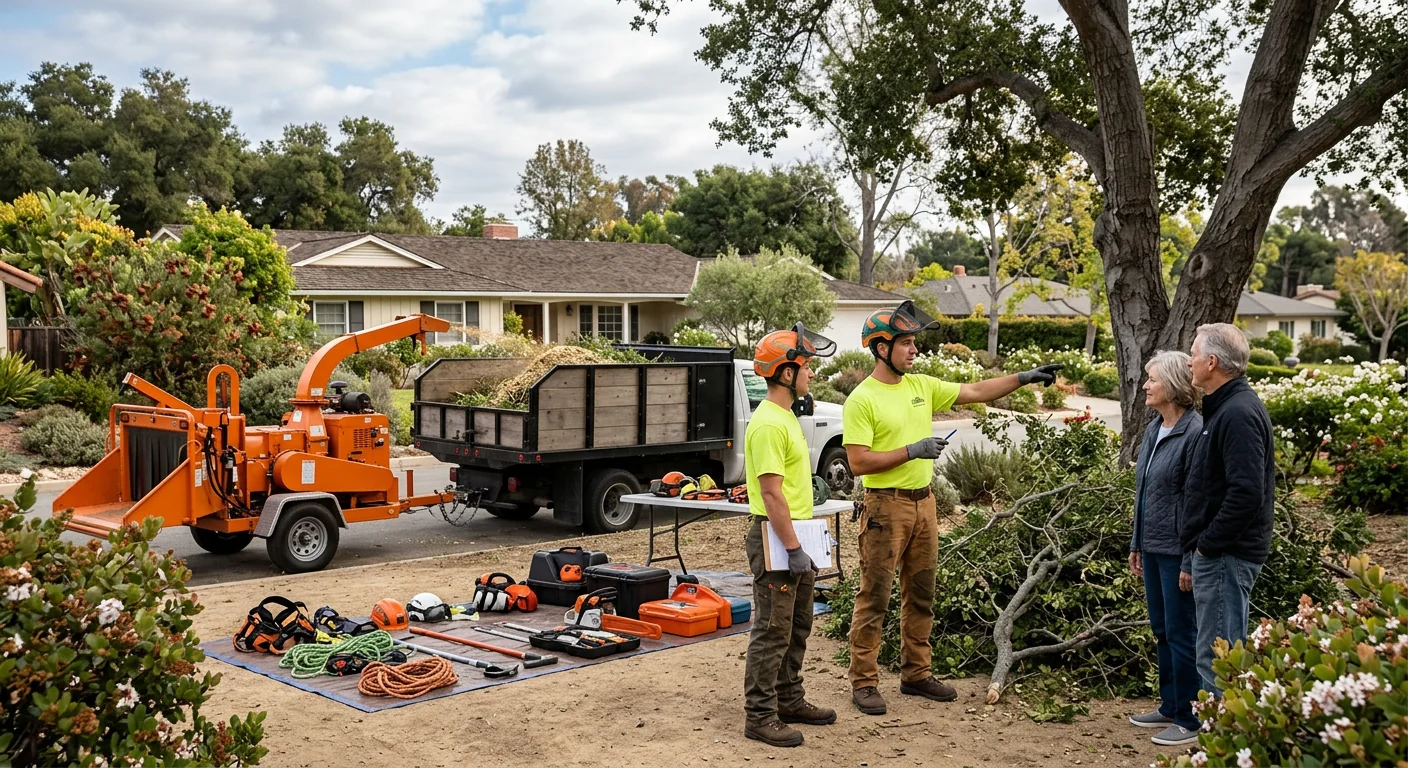
Across Carpinteria in 2026, our Tree Risk Assessment visits have covered a wide mix of properties, from small residential yards with a single aging oak to larger lots dotted with tall eucalyptus and coastal pines. Some jobs focused on canopy defects and deadwood after winter storms, while others involved root collar inspection on trees leaning toward homes or fences. Each evaluation begins with a careful visual survey, checking for decay pockets, cracks, and structural weak points that could raise hazard levels over time.

Every assessment follows the same safety-first approach, with trained technicians documenting conditions before recommending pruning, cabling, or removal. We pay close attention to nearby targets like driveways, patios, and power lines, since reducing risk to people and property guides each recommendation. Whether the tree sits on a breezy hillside or a quiet residential street, our goal stays the same. Protect what matters, and explain findings in plain terms. Written reports back up every visit so Carpinteria homeowners know exactly where things stand.
Click Me to Call: 805-420-7071

Why Do Carpinteria Homeowners Trust Us for Tree Risk Assessment?

Trained technician inspecting a mature tree trunk during a Carpinteria risk assessment
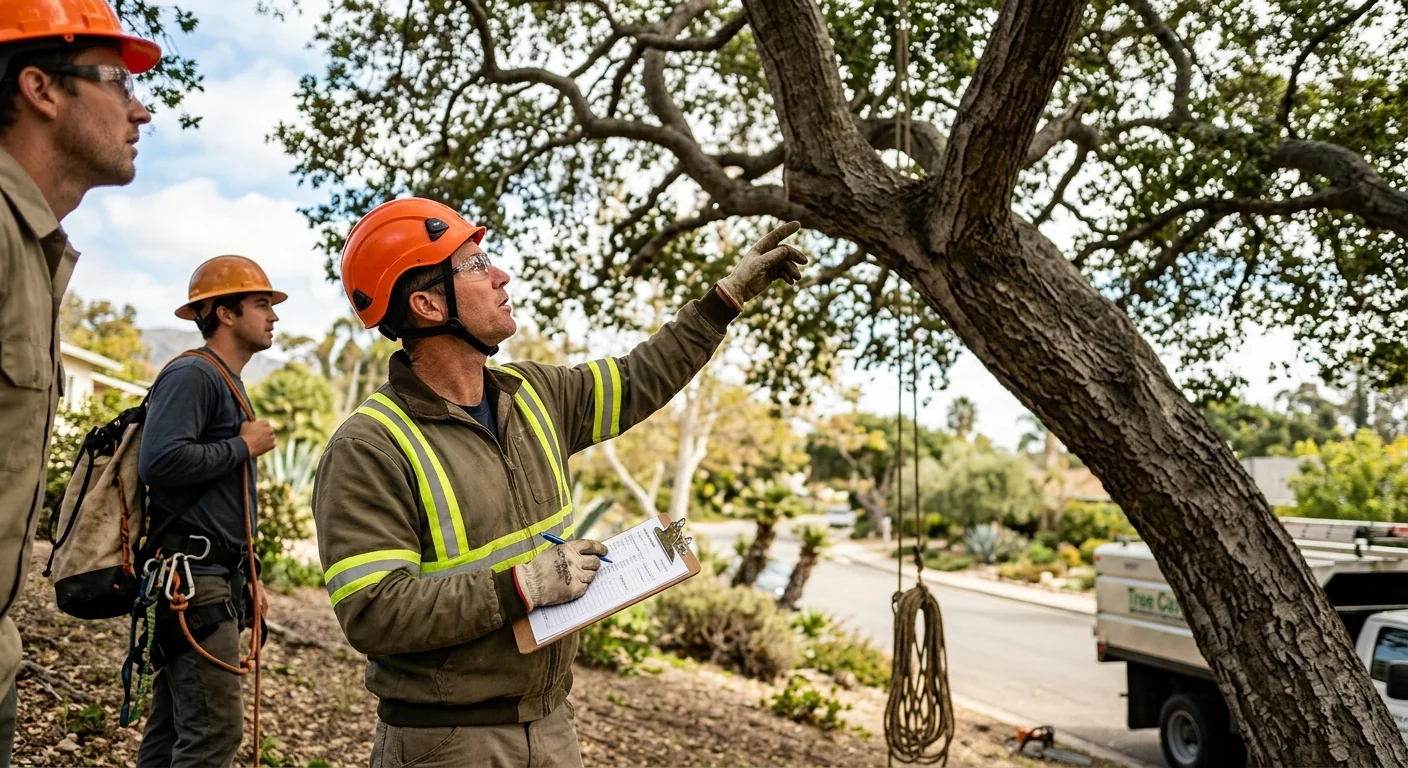
Arborist reviewing canopy structure and lean while documenting tree health concerns

Carpinteria homeowners trust us for tree risk assessment because our trained technicians follow a documented inspection process that pairs careful visual analysis with practical safety judgment. Each evaluation starts at the root collar and works upward, checking for decay pockets, included bark unions, lean progression, and canopy dieback that signal structural weakness. We use resistance-testing tools and sounding checks on questionable trunks rather than guessing, so our findings hold up. Every homeowner receives a written estimate before any follow-up work begins. Our crew explains what we found in plain terms. Heading into 2026, we continue building assessments around measurable indicators instead of assumptions.

Beyond the inspection itself, we back our tree risk assessments with photo documentation of each flagged limb, cavity, or leaning stem so you can see exactly what we saw. After the review, we walk the property with you to talk through recommended pruning, cabling, or removal priorities, then schedule any follow-up on a timeline that fits your yard and the local climate. Carpinteria’s coastal winds and older established trees make preventative evaluation genuinely worthwhile. We keep the process calm and clear, focused on reducing hazards to people and property while respecting the trees worth saving.

// Book Tree Risk Assessment //

Schedule Tree Risk Assessment in Carpinteria

Ready to learn how your trees are holding up? Our trained arborists offer free written estimates with no obligation, so you know exactly what a careful inspection covers before any work begins. Booking is quick. We keep scheduling flexible for Carpinteria homeowners planning ahead in 2026, and we walk you through every finding in plain language. Reach out today and let’s take a closer look together.
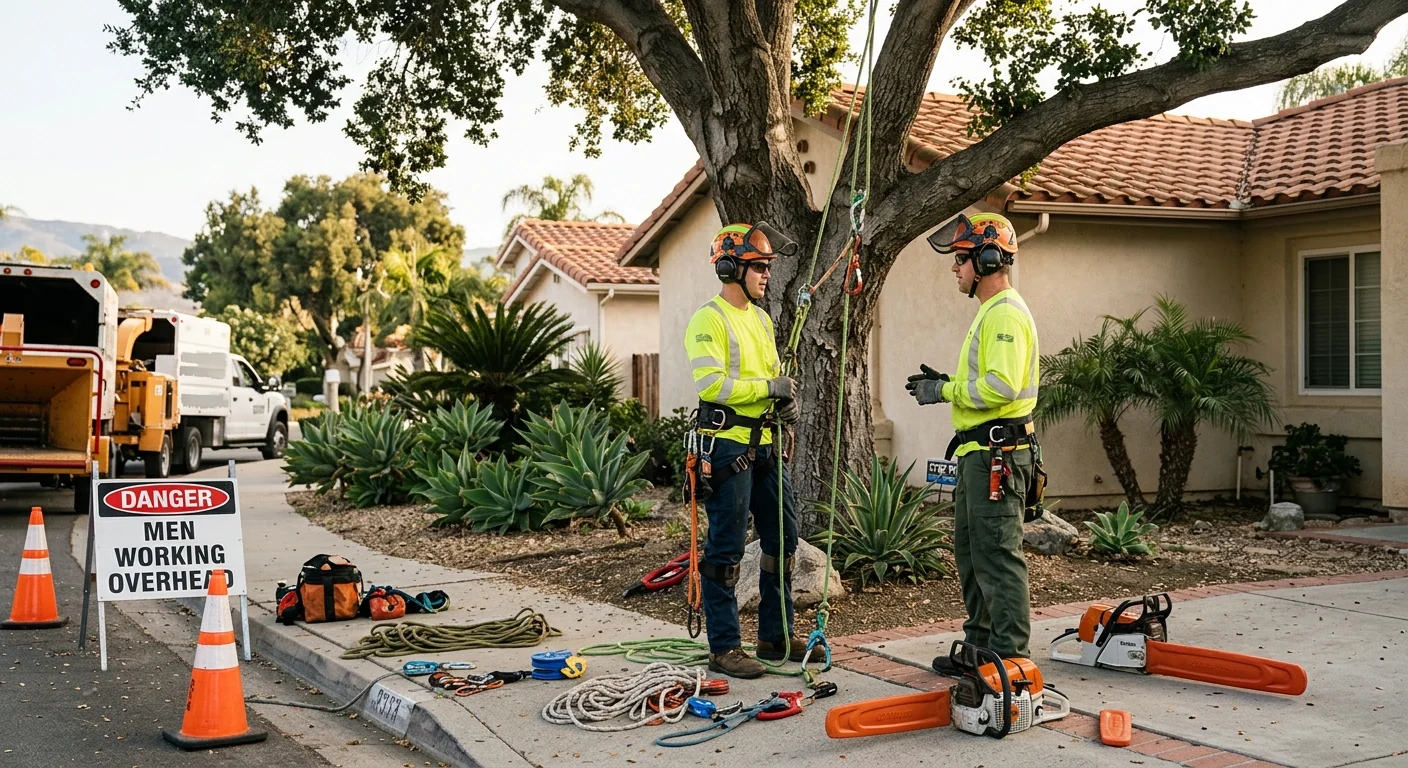
Arborist inspecting a mature backyard tree during a Carpinteria risk assessment visit